- Property Management Brief
- Posts
- Neighborhood Beautification & Placemaking Initiatives
Neighborhood Beautification & Placemaking Initiatives
In partnership with


Good morning!
As we settle into this week, I’m reminded how much steady progress matters more than big pushes. We’re finishing November with real momentum, and I’m grateful for the discipline and care each of you brings to the work. Let’s keep our focus tight and close out the month with pride.
— Lucas Robinson, Founder & CEO at BudgetMailboxes.com
🎯 This Week’s Strategy:
Neighborhood Beautification & Placemaking Initiatives
🤝 Boardroom Brief:
Jacksonville Property Manager Faces Major Lawsuit Over Unpaid Vendor Contracts
Strategy
🎯 Neighborhood Beautification & Placemaking Initiatives
A property's value doesn’t rise only from square footage, amenities, or rent prices, it also grows from something far more powerful: the sense of place. Neighborhood Beautification & Placemaking Initiatives help property managers elevate the surrounding environment to create vibrant, welcoming, and high-value communities.
When residents feel proud of where they live, retention improves. When outdoor spaces feel attractive and safe, property desirability increases. And when the community has a stronger identity, property managers strengthen relationships not just with tenants, but with the entire neighborhood.
Below is how property managers can implement a placemaking strategy that delivers real, measurable impact.
How Property Managers Can Implement a Neighborhood Beautification & Placemaking Strategy
1. Start with a Community Needs Assessment
Before investing dollars or launching new projects, property managers should understand what residents actually want improved. A beautification strategy is most effective when it directly reflects tenant expectations and existing neighborhood gaps.
Action Steps:
✅ Conduct short surveys asking tenants what outdoor features they value most (lighting, green spaces, benches, walkability, etc.)
✅ Walk the neighborhood to identify areas with poor lighting, cracked sidewalks, or underused spaces
✅ Schedule quick interviews with local business owners or HOA leaders to gather external perspectives
✅ Prioritize improvements that enhance safety, accessibility, and overall livability
2. Enhance Lighting, Landscaping & Walkability
The fastest way to improve community perception is through upgrades that increase visibility, safety, and visual appeal. These improvements also contribute to reduced crime and higher resident satisfaction.
Action Steps:
✅ Install or upgrade LED pathway lighting to improve nighttime visibility
✅ Refresh landscaping with drought-resistant plants, native greenery, or seasonal flowers
✅ Add or repair sidewalks, walking paths, or bike-friendly routes
✅ Improve signage throughout the property to make navigation easier and more welcoming
3. Create Attractive Shared Spaces for Community Engagement
Shared areas can transform a property from “just a place to live” into a community where people want to stay long-term. Even small-scale investments can dramatically increase tenant retention.
Action Steps:
✅ Build or improve outdoor seating areas with benches, shade structures, or patio tables
✅ Add recreational elements like small playgrounds, dog parks, or outdoor fitness equipment
✅ Repurpose unused corners of the property into mini-gardens, art walls, or reading nooks
✅ Introduce outdoor Wi-Fi zones to support remote workers and students
4. Partner with Local Artists, Nonprofits & Businesses
Placemaking works best when it reflects the culture of the surrounding community. Collaboration brings authenticity, and it also helps property managers reduce costs and increase engagement.
Action Steps:
✅ Partner with local artists to create murals or sculpture installations
✅ Invite neighborhood volunteers or nonprofits to host community clean-ups
✅ Work with local businesses for sponsorships (e.g., planters “sponsored by” a local café)
✅ Coordinate events such as seasonal markets, outdoor movie nights, or gardening days
5. Maintain a Continuous Improvement Cycle
Beautification isn’t a one-time project, it’s an ongoing investment. Property managers should create a consistent schedule and feedback loop to ensure improvements stay relevant and well-maintained.
Action Steps:
✅ Establish monthly or quarterly property walk-throughs to identify new enhancement opportunities
✅ Track maintenance requests related to outdoor spaces to pinpoint recurring issues
✅ Collect resident feedback annually to update your beautification priorities
✅ Set aside a small recurring budget specifically for placemaking upgrades
How to Implement a Neighborhood Beautification & Placemaking Initiative
Define Your Vision – Identify what you want the property to feel like: family-friendly, modern, quiet, eco-focused, or community-centric.
Create a Prioritized Project List – Organize improvements from low-cost quick wins to longer-term investments.
Engage the Community – Involve residents, neighborhood partners, and local artists to increase buy-in and participation.
Start Small & Scale – Begin with highly visible upgrades like lighting, landscaping, and seating areas before tackling larger projects.
Measure & Iterate – Track feedback, retention improvements, and property appeal to refine your strategy over time.
Go from AI overwhelmed to AI savvy professional

AI keeps coming up at work, but you still don't get it?
That's exactly why 1M+ professionals working at Google, Meta, and OpenAI read Superhuman AI daily.
Here's what you get:
Daily AI news that matters for your career - Filtered from 1000s of sources so you know what affects your industry.
Step-by-step tutorials you can use immediately - Real prompts and workflows that solve actual business problems.
New AI tools tested and reviewed - We try everything to deliver tools that drive real results.
All in just 3 minutes a day
Boardroom Brief
Jacksonville Property Manager Faces Major Lawsuit Over Unpaid Vendor Contracts
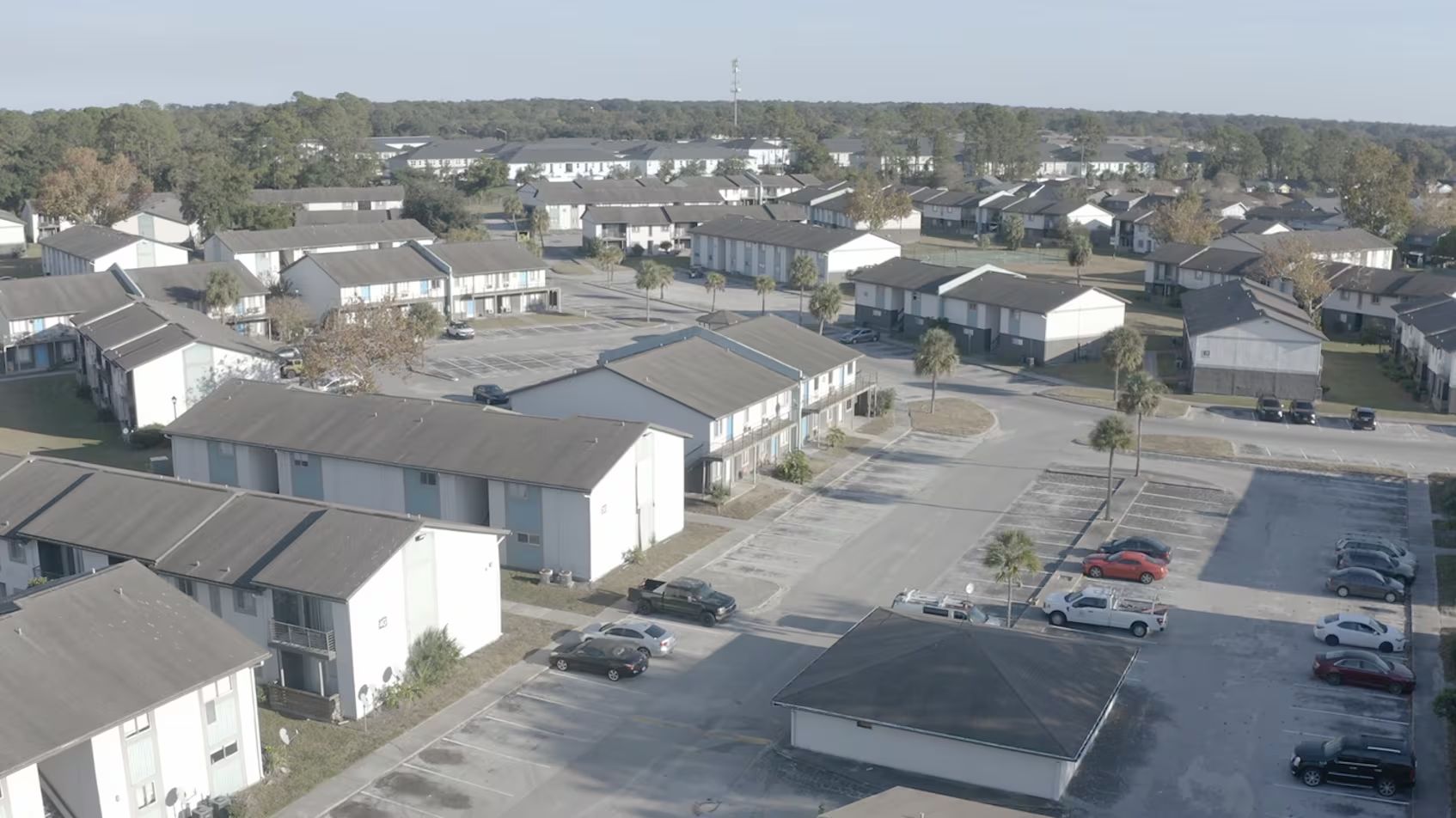
A New York–based property management firm operating six Jacksonville apartment communities is facing escalating legal trouble after multiple local vendors alleged more than $250,000 in unpaid invoices, raising serious concerns about financial practices, vendor oversight, and on-site safety standards. Spear Security Operations has already filed suit claiming over $218,000 in unpaid security services, while a second company, H&N Remodeling & Cleaning Services, reports $54,000 in outstanding invoices and is preparing its own legal action. Residents at properties such as Shore House Apartments report persistent safety issues, repeated law-enforcement presence, and chronic maintenance failures including a tenant who filed 24 maintenance requests for a broken A/C unit and a family displaced after a recent apartment fire. For property managers, this unfolding situation serves as a timely reminder: vendor payment integrity, safety compliance, and maintenance responsiveness are not optional, they are operational pillars that directly impact legal risk, tenant retention, and brand reputation.
Game
🎉 Fun Finale: Play & Poll
What part of the Jacksonville lawsuit do you believe is the biggest operational risk for property managers?(Tap on your answer) |
 Real workflows. Real results | Curious About Agentic AI?A FREE community where agentic AI workflows are built and shared. |
All the news that matters to your career & life

Hyper-relevant news. Bite-sized stories. Written with personality. And games that’ll keep you coming back.
Morning Brew is the go-to newsletter for anyone who wants to stay on top of the world’s most pressing stories — in a quick, witty, and actually enjoyable way. If it impacts your career or life, you can bet it’s covered in the Brew — with a few puns sprinkled in to keep things interesting.
Join over 4 million people who read Morning Brew every day, and start your mornings with the news that matters most — minus the boring stuff.