- Property Management Brief
- Posts
- Fiduciary Accountability & Transparency Strategy
Fiduciary Accountability & Transparency Strategy

Good morning!
We’re closing March with real momentum-let’s finish strong and stay sharp on the details. April starts with clarity and focus.
— Lucas Robinson, Founder & CEO at BudgetMailboxes.com
🎯 This Week’s Strategy:
Fiduciary Accountability & Transparency Strategy
🤝 Boardroom Brief:
$7M Settlement Signals Rising Enforcement on Transparency in Senior Housing
Strategy
🎯 Fiduciary Accountability & Transparency Strategy
In property management, trust is the foundation of every successful client relationship. Owners rely on property managers not just to maintain assets, but to act in their best financial interest. A strong Fiduciary Accountability & Transparency Strategy ensures that every decision, transaction, and communication is clear, documented, and aligned with the owner’s goals - ultimately strengthening credibility, reducing disputes, and improving long-term retention.
How Property Managers Can Implement a Fiduciary Accountability & Transparency Strategy
1. Establish Clear Financial Reporting Standards
Transparency starts with consistent, easy-to-understand financial reporting. Owners should never feel uncertain about how their property is performing.
Action Steps:
✅ Provide monthly financial statements that include income, expenses, and variance reports.
✅ Standardize reporting formats across all properties for consistency.
✅ Include clear notes or summaries explaining major expenses or anomalies.
2. Implement Real-Time Owner Access to Data
Modern owners expect visibility into their investments at any time. Providing real-time access builds confidence and reduces unnecessary back-and-forth communication.
Action Steps:
✅ Use an owner portal that provides 24/7 access to financials, leases, and maintenance updates.
✅ Enable real-time tracking of rent collection and outstanding balances.
✅ Share maintenance progress, including before-and-after documentation when possible.
3. Strengthen Internal Controls & Approval Processes
Strong fiduciary responsibility requires checks and balances to ensure all financial decisions are properly authorized and documented.
Action Steps:
✅ Require dual approval for large expenses or vendor contracts.
✅ Separate duties (e.g., different individuals handling approvals, payments, and reconciliation).
✅ Conduct regular internal audits to verify accuracy and compliance.
4. Communicate Proactively with Property Owners
Transparency isn’t just about data, it’s about communication. Proactive updates prevent confusion and reinforce trust.
Action Steps:
✅ Send regular performance summaries highlighting key metrics and insights.
✅ Notify owners in advance of major repairs, vacancies, or unexpected expenses.
✅ Schedule quarterly review calls to discuss strategy, performance, and opportunities.
5. Document Decisions & Maintain Audit Trails
Every financial and operational decision should be traceable. Proper documentation protects both the property manager and the owner.
Action Steps:
✅ Maintain detailed records of invoices, contracts, and approvals.
✅ Use digital systems to track communication and decision history.
✅ Ensure compliance with local regulations and fiduciary obligations.
How to Implement a Fiduciary Accountability & Transparency Strategy
Define Reporting Expectations – Align with property owners on what information they want, how often, and in what format.
Adopt Transparent Technology – Use platforms that provide real-time visibility and centralized documentation.
Train Your Team on Fiduciary Responsibility – Ensure all staff understand their duty to act in the owner’s best interest.
Standardize Processes – Create repeatable workflows for reporting, approvals, and communication.
Continuously Review & Improve – Gather owner feedback and refine your approach to increase clarity and trust over time.
By prioritizing fiduciary accountability and transparency, property managers position themselves as trusted advisors, not just service providers, leading to stronger client relationships, fewer disputes, and sustained portfolio growth.
Boardroom Brief
$7M Settlement Signals Rising Enforcement on Transparency in Senior Housing
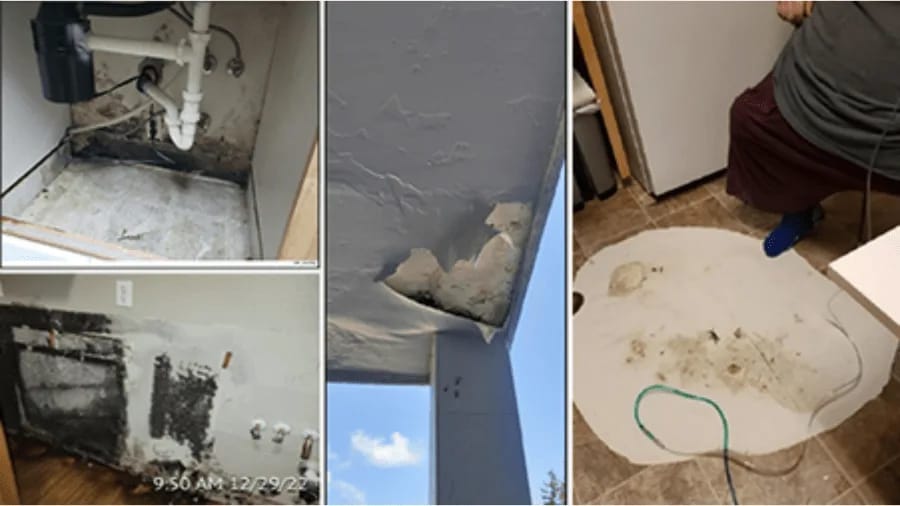
A recent $7 million settlement in Washington involving a major property management firm highlights increasing regulatory scrutiny around transparency, marketing practices, and fiduciary responsibility, particularly in affordable and senior housing. The case alleged that low-income seniors were misled by “luxury” branding while facing substandard living conditions, unclear rent structures, and unmet amenity promises, ultimately impacting over 1,000 residents. For property managers, this serves as a clear signal: regulators are prioritizing accountability, especially where vulnerable populations are involved. Ensuring accurate marketing, clear financial disclosures, and consistent property standards is no longer just best practice - it is a critical risk management requirement.
Game
🎉 Fun Finale: Play & Poll
What is the biggest risk area for property managers when it comes to fiduciary accountability today?(Tap on your answer) |
